Tips for Choosing the Ideal General Contractor for Your Next Home Project
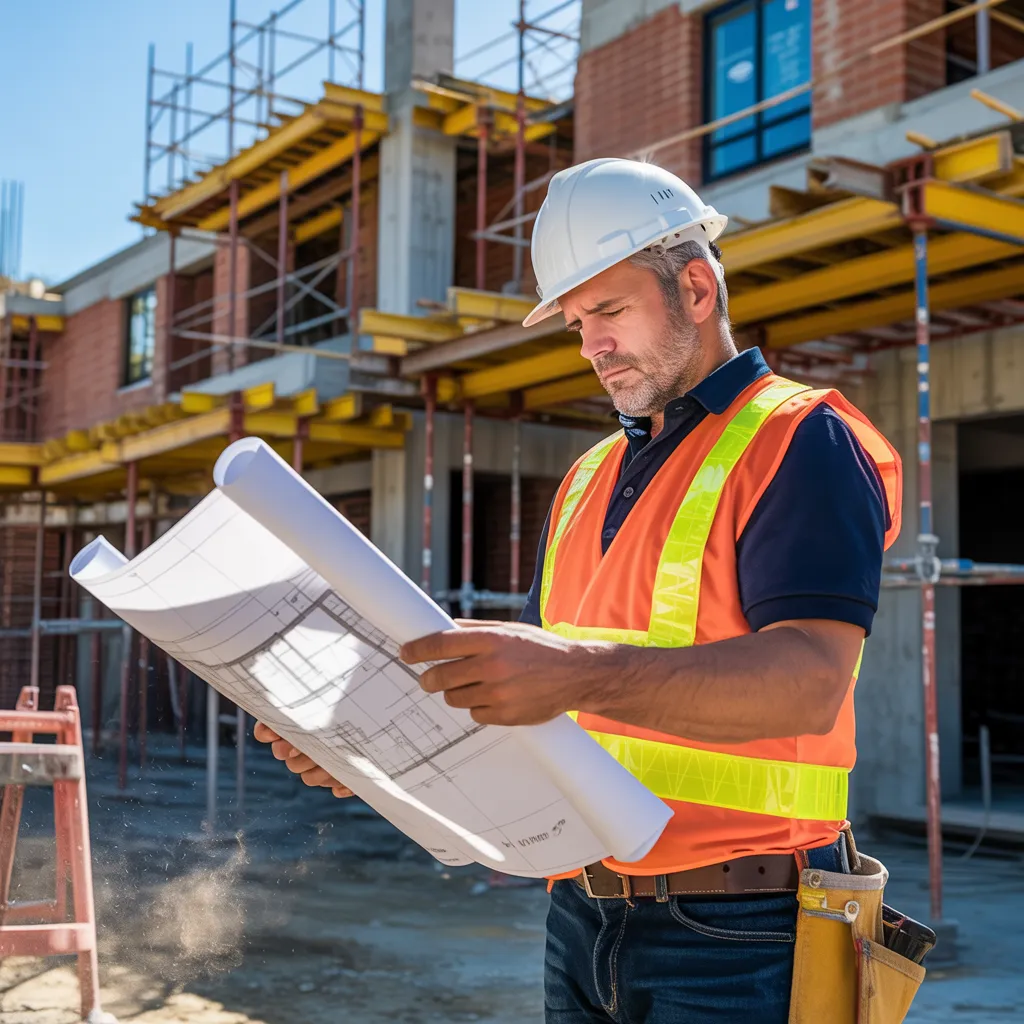
Determining the best general contractor for a home project is an important determination. This necessitates thorough analysis of various factors, including experience, qualifications, and interpersonal skills. Numerous homeowners overlook crucial points, resulting in expensive errors. Grasping how to appraise candidate contractors can make considerable difference. By emphasizing essential criteria and posing appropriate questions, you can work through this multifaceted process more successfully. What are the critical measures to guarantee a rewarding partnership?
How to Avoid Common Pitfalls When Selecting a Contractor
When picking a professional, how can one cope with the breadth of alternatives without falling into typical mistakes? Prospective clients often miss key points that can result in unsatisfactory outcomes. First, depending only on cost can be misleading; the lowest price may represent poor workmanship or extra charges. Additionally, not looking at recommendations or internet ratings can end with an unreliable contractor. It is also necessary to avoid making decisions based on charisma alone; a charming builder may not have the right qualifications or dependability. Moreover, failing to establish clear communication and expectations can result in conflicts and unhappiness. Finally, not reviewing contracts thoroughly before signing can cause unforeseen responsibilities or inadequate safeguards. By being careful and knowledgeable, homeowners can make wiser selections, in the end creating a triumphant project.
Standards for Assessing a Contractor's Professional History
When analyzing a contractor experience, many important considerations become relevant. Relevant project experience, technical certifications, and an extensive range of accomplished tasks represent vital signs of their strengths. Assessing these features can yield meaningful perspective into the contractor's suitability for the targeted project at hand.
Applicable Project Background
Knowing a contractor's relevant experience is vital for ensuring the achievement of any building endeavor. Interested parties clients should assess the contractor's portfolio, focusing on accomplished projects alike in breadth and style to their own. This involves reviewing assessing the quality of workmanship, adherence to project timelines, and fiscal management in previous undertakings. Additionally, it is beneficial to inquire about the assortment of commodities used and the contractor's acquaintance with local building codes and regulations. Remarks and endorsements from bygone clients can provide perspective into the contractor's reliability and interpersonal skills. To sum up, a contractor with noteworthy fitting experience can navigate roadblocks adeptly, ensuring the project meets the homeowner's requirements and standards.
Industry Credentials And Permits
Certification and licensing serve as essential indicators of a contractor's professionalism and expertise in the construction industry. When selecting a general contractor, it is crucial to confirm that they possess the necessary licenses required by local and state regulations. These licenses demonstrate compliance with building codes and safety standards. Additionally, industry certifications, such as those from the National Association of Home Builders or similar organizations, reflect a contractor's commitment to quality and ongoing education. Contractors with specialized certifications may also have expertise in specific areas, such as green building or remodeling. Ensuring that a contractor has the appropriate credentials not only improves confidence in their capabilities but also reduces potential legal and financial risks during the project.
Portfolio Of Accomplished Work
A builder's portfolio of accomplished work serves as an vital tool for assessing their experience and capabilities. This compilation ought to present a variety of projects, highlighting adaptability in multiple styles and complexities. When reviewing a portfolio, potential clients must check for high-quality photographs that accurately show the craftsmanship involved. It is also valuable to see projects that correspond to the homeowner's particular requirements or design tastes. Attention to detail, inventive solutions, and adherence to timelines are vital indicators of a contractor’s skill. Additionally, client reviews or case studies featured in the portfolio can offer additional understanding of the contractor's work ethic and dependability. Ultimately, a solid portfolio can enable homeowners to make informed decisions about their upcoming projects.
Guidelines to validate Your Contractor Credentials and Licenses
It is vital to confirm a general contractor's qualifications and certifications before enlisting their services, validating they meet industry standards. Consult local licensing boards to validate the contractor possesses the required permits needed for your area and project type. Understanding that each state maintains its own standards can avert future complications.
Furthermore, inquire about insurance policies, including liability and workers' compensation, to ensure safeguarding against potential accidents or damages. Obtain references from previous clients and check in to assess satisfaction and dependability.
Ultimately, check any certifications the contractor may obtain, as these often show specialized training and commitment to industry best practices. A detailed verification process not only guarantees compliance but also fosters trust in the contractor's ability to execute the project successfully.
Why Consistent Communication Is Critical in Your Contractor Relationship
Strong dialogue is critical in the contractor-client partnership, determining the project's success from day one. Open discussion sets expectations, timelines, and budgets, ensuring both parties maintain alignment on the project's goals. When clients express their vision with clarity, contractors can present informed recommendations and solutions, enhancing the overall outcome.
Consistent updates and open channels of dialogue allow quick handling of challenges as they surface, reducing possible delays. Moreover, a contractor who listens to and responds to client feedback establishes rapport, which is vital for cooperation.
In addition, strong dialogue assists with managing changes and unexpected challenges, maintaining the project on course. It permits the builder to adjust approaches based on client direction, securing approval across all phases. Finally, prioritizing engagement not only solidifies the professional-homeowner connection but also significantly aids in the timely completion of the home undertaking.
Core Points to Request of Your Project Manager in Initial Discussions
During early meetings with a contractor, clients need to prioritize understanding their experience and credentials. It is necessary to discuss the project timeline and budget to guarantee alignment with the client's goals. These questions build a foundation for a positive partnership and successful project management.
Experience and Qualifications
Choosing a general contractor relies on grasping their experience and qualifications. Homeowners should ask about the contractor's years in the industry and the variety of assignments they have undertaken. Key inquiries about legal permits, official qualifications, and insurance are vital, as these confirm following local laws and offer safety throughout the work. Furthermore, looking over previous assignments through collections of work or testimonials can provide a perspective into the contractor's craftsmanship and trustworthiness. It is also useful to query about their familiarity with similar projects, as this can demonstrate their capability to handle specific challenges. Ultimately, judging a contractor's skills and background builds confidence and helps homeowners make informed decisions about their home projects.
Project Roadmap and Cost
How can homeowners guarantee their undertaking stays on budget track and temporally when consulting with a general contractor? To maintain alignment, they should ask significant questions during first consultations. Property owners must ask about the projected schedule for work completion and any potential delays that could arise. Understanding the contractor's approach to schedule management is essential. Additionally, addressing the budget upfront is vital; homeowners should seek clarity on cost estimates, payment plans, and any built-in contingency funds for unexpected costs. Asking about past work can offer understanding into the contractor's dependability in meeting deadlines and staying within budget. By establishing clear communication regarding timelines and finances, property owners can foster a productive relationship with their contractor, enhancing the probability of a successful project.
Advice on Checking References and Reading Reviews
What steps should one pursue to assure a general contractor is consistent? First, it is essential to request a list of sources from potential contractors. A distinguished contractor will happily deliver names and contact information of previous clients. One should call these references to inquire about their experiences, zeroing in on aspects such as communication, quality of work, and deadline adherence.
Additionally, reading online reviews on sites like Google, Yelp, or Angie's List can offer useful information. It is crucial to look for trends in the reviews—recurring compliments or complaints can indicate reliability or potential issues.
In addition, investigating any concerns registered with local licensing agencies or consumer protection agencies can reveal a contractor's past performance. Finally, soliciting prior project images can help assess the excellence of their work. By implementing these measures, one can arrive at a more informed determination when selecting a contractor.
Understanding Contractor Rates and Financial Terms
Homeowners should also understand standard payment arrangements. Most contractors demand a deposit upfront, followed by installment payments aligned with project milestones. It's vital to clarify these terms before signing a contract to prevent misunderstandings. Additionally, homeowners should question possible extra expenses, such as regulatory fees or surprise repairs. Transparent dialogue about pricing and payment terms will create a clear business partnership, ultimately producing a successful completion. Understanding these aspects gives homeowners the ability to make smart choices take action when hiring a general contractor.
Often Asked Frequently Asked Questions
How much time will it need to conclude the work?
The project duration typically varies based on complexity and scope. Typically, it may require several weeks to months. Factors such as climate conditions, material availability, and workforce availability can greatly influence the project completion schedule.
What Takes Place if Surprise Problems Surface During Development?
If unexpected complications arise during construction, the contractor usually evaluates the situation, communicates with the homeowner, and proposes remedies. Modifications to the schedule and costs may be required, ensuring transparency throughout the process.
Is My Project Going to Need Permits or Inspections?
The bulk of projects require inspections and certifications to ensure compliance with local building codes. It is critical to speak with a general contractor who grasps these requirements, as they can steer through the permitting process effectively.
How Do You Deal With Subcontractors and Payment Responsibilities?
A reputable general contractor oversees sub-contractors by creating explicit agreements specifying payment terms. They guarantee timely payments, keep open communication, and track subcontractor performance, promoting a collaborative environment that aids in successful project completion and efficiency.
What Is Your Stance on Project Changes or Upgrades?
The contractor adopts a dynamic stance toward project changes, requiring written documentation for any additions. They guarantee clear communication, determine cost implications, and adjust schedules accordingly to fulfill the customer's evolving needs and desires.